
Custom Antique Finish Medals
Vintage Style Medals with Antique Plating
Antique finish medals offer a classic, timeless look that works for commemorative events, military ceremonies, historical celebrations, and prestigious awards. The aged appearance highlights raised details and gives each medal a sense of weight and tradition.
At Sinoawards, we produce custom antique medals in zinc alloy, brass, and copper with a range of antique plating options. The darker recessed areas create strong contrast, making text, logos, and fine lines easy to see and appreciate.
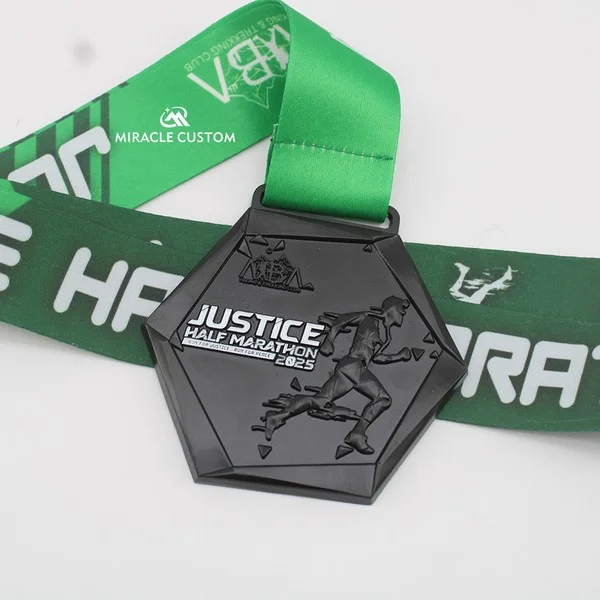
How Antique Plating Works
Antique plating is a two-stage finish, not a single color. The medal is plated first — brass, copper, silver, gold or nickel — and then treated so the recessed areas darken while the raised surfaces stay bright. That darkening is what produces the vintage look, and it is why the same artwork reads as a new polished award in one finish and a collectible commemorative piece in another.
Two consequences follow from how the process works, and both matter when you brief a design:
- Contrast comes from relief. The treatment only darkens what sits below the surface, so artwork with clear raised lines, lettering or texture gets a strong effect. Very flat artwork has less for the darkening to catch and comes out subtle.
- Small text survives better. Because engraved or stamped lettering sits in a recess, antique plating fills it with a darker tone instead of polishing over it. Long event names, dates and award wording stay readable at a smaller diameter than they would in a bright finish.
The same treatment is what makes antique finishes a common choice for challenge coins and military-style awards, where a worn, substantial look is the point rather than a defect.
Antique Finish Options
- Antique brass: Warm, classic aged look
- Antique copper: Rich reddish-brown vintage tone
- Antique silver: Cool, weathered metallic finish
- Antique gold: Traditional prestige appearance
- Black nickel antique: Modern dark finish with contrast
- Two-tone antique: Combined finishes for special effects
Antique Finish vs a Bright Polish
Most buyers arrive choosing between an antique look and a conventional bright gold, silver or bronze, so it is worth stating the trade-off plainly rather than leaving it to a proof:
- Antique hides handling marks and shallow scratches, keeps fine lettering legible, and reads as heritage, service or commemoration. It suits events with a sense of history: anniversaries, memorials, regimental and reunion awards.
- Bright polish reads as victory and celebration, which is why it dominates race and sports awards. It is also less forgiving: a scuff on a bright surface shows, and shallow lettering can disappear under reflection.
If your event is a race, a bright finish is usually the right call. If it marks service, tenure or a date in an organization's history, antique plating is normally what makes the medal feel earned.
Which Process Suits Antique Plating
Antique plating can go on both of the processes we use for medals, but the effect is not identical:
- Die-struck medals carry high, crisp relief, so the raised lines stay bright against a darkened recess and the contrast is at its strongest. Most military and commemorative work is made this way; the detail is in the die-struck medal process.
- Die-cast medals allow thicker edges, deeper undercuts and shaped outlines, and take antique plating well where the design relies on volume rather than fine line work.
Popular Uses
Military & Service Awards
Ceremonial medals for units, veterans, and service recognition.
Historical Commemorations
Anniversary medals, memorial events, and heritage celebrations.
Challenge Coins
Classic antique coins for police, fire departments, and military units.
Corporate Recognition
Premium retirement, milestone, and leadership awards.
Sizes, Thickness and Weight
Round antique medals run from 1-1/4 inch (31.8 mm) up to 6 inches (150 mm), and any intermediate diameter is available by opening a new mold. Thickness is chosen from 2.0, 2.5, 3.0, 3.5, 4.0 and 5.0 mm, though not every thickness is produced at every diameter.
Weight follows thickness rather than diameter alone, which matters for shipping quotes: a 2 inch zinc alloy medal weighs about 37 g at 3.0 mm and about 51 g at 4.0 mm. A deeper relief, a thick rim or a shaped outline will move the real weight above the table figure, so the sample weight is what we confirm against.
Shaped medals — shields, stars, badges, cut-out outlines — are priced and quoted by area and outline length rather than by diameter, and ribbons are chosen separately from the medal. Matching medal ribbons in a custom color or weave are made to the same order.
Why Antique Finishes Stand Out
Antique plating is especially effective for designs that are mostly metal, such as die-struck medals. The darker recessed areas provide greater contrast than bright finishes, making text and fine lines more readable. The result is a medal that looks distinguished and professional.
Frequently Asked Questions
What is an antique finish medal?
Antique finish medals are plated and then treated to create an aged, vintage look. The darker recessed areas provide strong contrast for text and fine details.
Which antique plating colors are available?
We offer antique brass, antique copper, antique silver, antique gold, and black nickel antique finishes.
Are antique medals good for die-struck designs?
Yes. Antique finishes are especially popular for die-struck medals because the dark recessed areas make raised text and lines stand out clearly.
Is antique plating the same as a bright gold or silver finish?
No. A bright finish is uniform across the whole surface, while antique plating is deliberately darkened in the recessed areas so raised details stay bright. The medal reads as older and heavier rather than new and polished, and small text stays legible at a smaller size.
Does antique plating work on flat designs?
Antique plating works best when the artwork has clear raised lines, relief or texture, because the contrast comes from what sits proud of the surface. Very flat artwork has less for the darkening to catch, so a low-relief design gets a subtle effect rather than a strong one.
What sizes and thicknesses can antique medals be made in?
Round diameters run from 1-1/4 inch (31.8 mm) to 6 inches (150 mm), with intermediate diameters made by opening a new mold. Thickness options are 2.0, 2.5, 3.0, 3.5, 4.0 and 5.0 mm, and not every thickness is available at every diameter. Shaped medals are quoted separately by area and outline length.
Order Antique Finish Medals
Send your design for a free quote and digital proof.
Request a Quote Explore Custom Medals